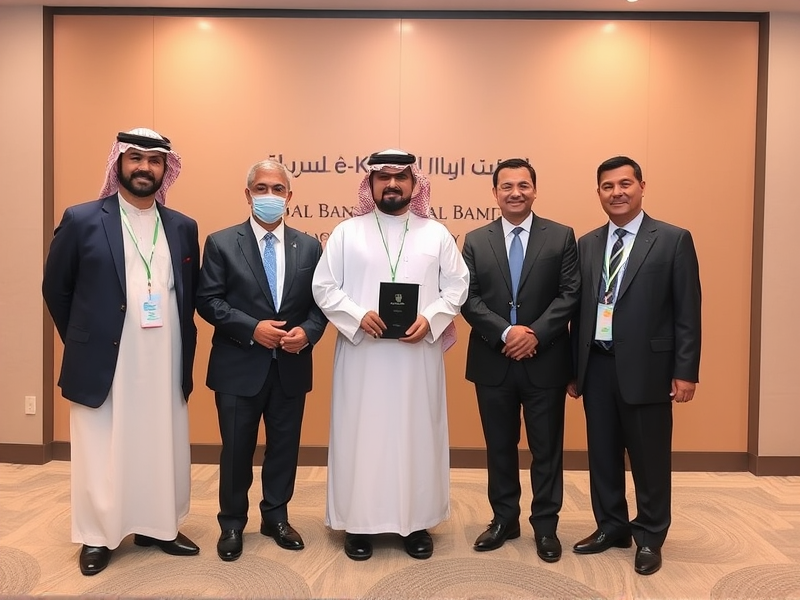


Nedbank and Mastercard have entered into a decade-long commercial partnership aimed at modernizing Nedbank’s card portfolio and enhancing digital payment services in six Southern African countries.
This agreement encompasses the migration of Nedbank’s card holdings to the Mastercard network, along with the deployment of advanced digital payment functionalities across various business sectors within the bank.
Through this collaboration, Nedbank will leverage Mastercard’s extensive payments network and technological infrastructure to boost its growth in African markets. The partnership is designed to facilitate the launch of innovative products that enhance transaction security, expedite processing times, and offer customers a suite of digital tools.
The card migration forms part of Nedbank’s overarching strategy for digital transformation, supporting product innovation and competitive positioning across key regional markets.
The agreement targets a wide array of client groups including individual customers, small businesses, large retailers, merchants, and other financial institutions. Besides card migration, both entities plan to collaborate on developing future-oriented solutions that enhance convenience, reward schemes, and personalized services.
Regional context and implications
Southern Africa is witnessing a surge in demand for digital and mobile payment systems, largely due to the proliferation of smartphones and rising financial service usage. Such large-scale agreements are relatively rare and underscore global payment networks’ growing interest in expanding their footprint within African territories.
For Mastercard, this arrangement signifies a long-term investment in the continent’s infrastructure. Meanwhile, for Nedbank, the network transition will unify its payment systems under a single global network, potentially simplifying operations and offering access to a wider range of services through Mastercard’s ecosystem.
The official press release mentions that ESG considerations are integral to Nedbank’s approach, although no specific targets or metrics were provided.
Moreover, the duration of ten years in this contract stands out as particularly long compared to standard commercial payment agreements, indicating a dedication to mutual development rather than a mere vendor-customer relationship.