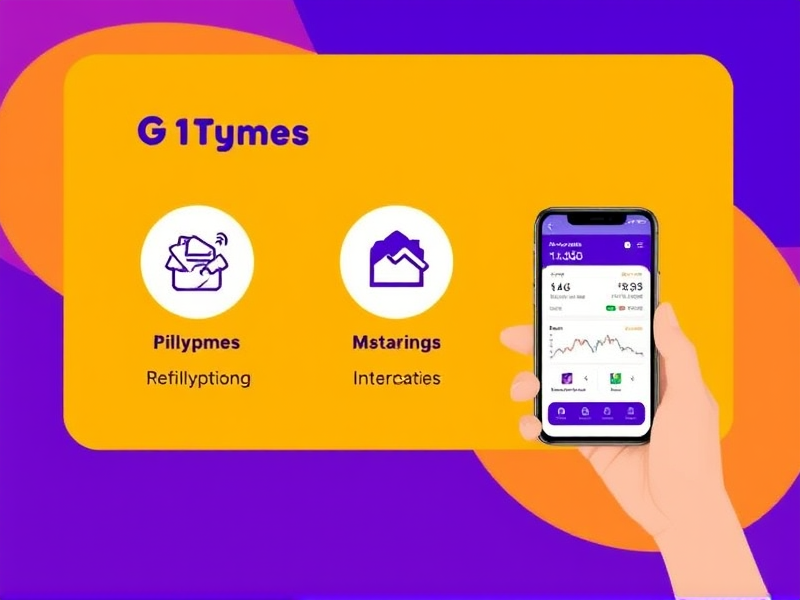
USDT’s issuer, Tether, has introduced tether.wallet, a self-custodial digital wallet aimed at bringing its stablecoin and digital asset infrastructure directly to end users.
This wallet supports USDT on Ethereum, Polygon, Plasma, and Arbitrum; XAU₮ and USA₮ on these networks; as well as Bitcoin both via the blockchain and through the Lightning Network. Tether plans to expand its blockchain support after the initial release.
With this launch, Tether marks a new chapter in consumer-facing products, more than a decade into operating primarily as foundational infrastructure for the digital asset ecosystem. As of March 2026, it is used by over 570 million people globally with millions of new wallets added quarterly across various markets.
Design principles and simplification
tether.wallet operates on a fully self-custodial basis, where transactions are signed locally before being broadcast to the network. Users retain full control over their private keys and recovery phrases. The application is based on Tether’s open-source Wallet Development Kit, enabling individuals, machines, and AI agents to build and manage self-custodial digital asset wallets.
It addresses two significant barriers to wider adoption by replacing complex blockchain wallet addresses with human-readable identifiers ([email protected]) and eliminating the need for separate network or gas tokens, where transaction fees are paid directly in the asset being transferred. This automation of network identification and balance management enhances user experience.
Tether envisions a future system allowing billions of people, machines, and AI agents to conduct transactions simultaneously via its wallet infrastructure, underscoring its commitment to making digital assets as accessible and easy-to-use as traditional financial instruments.
Paolo Ardoino, CEO of Tether, expressed that the goal is to reduce complexity without compromising the unique advantages of digital asset technology. His vision aims at enabling users to send value just like sending a message, directly and easily, without relying on intermediaries.