
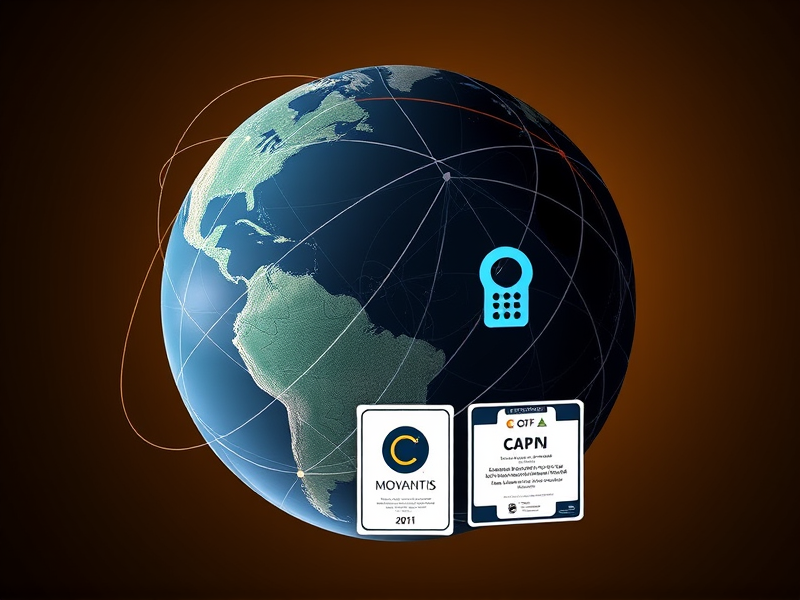
Movantis has joined the Circle Payments Network to facilitate real-time, stablecoin-based cross-border payments across Latin America and other regions.
This integration introduces stablecoins as an additional payment rail within Movantis’ existing infrastructure. As a member of CPN, Movantis will operate in dual capacities: acting as both an originating financial institution (OFI) and a licensed money transmitter in the U.S., and as a beneficiary financial institution (BFI) through locally licensed entities in several Latin American countries. This setup is designed to support bidirectional payment flows, enabling clients to both send and receive stablecoin-based transactions, with off-ramp capabilities available in over ten Latin American jurisdictions.
This development aligns with an emerging trend in cross-border payments where regulated organizations are seeking to integrate traditional financial infrastructure with stablecoins to enhance settlement speed and liquidity, especially in markets where established banking connections are limited or expensive.
Enhanced Use Cases and API-Driven Infrastructure
Movantis’ integration into the CPN network broadens the range of services its corporate clients can access. These include real-time international transfers, business-to-business (B2B) and business-to-consumer (B2C) payments, global payroll distributions, and embedded financial services for fintech platforms, digital marketplaces, and lenders.
Services like wallet top-ups and card issuance via regulated entities are also provided through an API-driven infrastructure. This allows third-party platforms to incorporate financial services while maintaining compliance requirements.
The CPN network, managed by Circle, serves as a coordination layer for cross-border value transfers over stablecoin rails. USDC, one of Circle’s stablecoins, forms the backbone of its payments platform, and CPN is positioned to enable seamless connections between banks and fintechs for programmatic, international settlements.
Movantis’ dual participation on CPN highlights the growing demand in Latin America for faster, lower-cost cross-border transactions. As regulatory frameworks continue to evolve around stablecoin-based payment flows, obtaining local licenses has become essential for long-term success in this region.