Scaling the Conversation
Many organizations factor in their operating costs when determining product or service prices. However, the expenses related to credit card acceptance have long been a contentious issue for merchants, leading some to impose surcharges on customers who use these cards.
This approach, though understandable from an operational standpoint, comes with significant risks as Craig Lancaster, a Payments Analyst at Javelin Strategy & Research, highlighted in his report titled Surcharging on Card Transactions: In Search of Balance.
Most businesses avoid breaking down their costs when pricing products or services because it invites customer questions. As Lancaster explained, When I bought a car and the dealer didn’t break out what they were paying for commissions, I would have expected them to be more flexible with prices.” Businesses want to keep such information hidden to maintain control over negotiations.
Penalties and Pushback
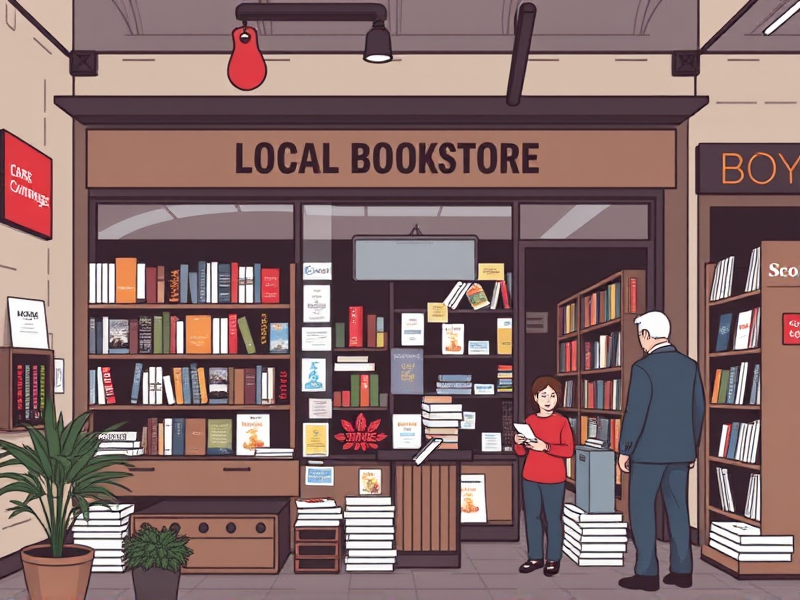
Not all surcharges are created equal. Lancaster detailed the case of a small, independent bookstore in Montana that implemented a 15-cent transaction fee for card payments. This decision, while necessary given the constraints, reflects a pragmatic approach to balancing operational costs with customer satisfaction.
The owner took the right steps by not surcharging 2.6%, and instead chose a smaller amount,” Lancaster noted. She faced fewer pushbacks from customers who could still make cash payments.” However, for businesses without such options or personal relationships with their patrons, surcharges may be unavoidable.
In one instance, he stumbled upon a Montana restaurant that was adding a 3.5% surcharge to all card transactions. This violated the terms of service as debit cards are protected from such fees. Card networks like Visa and Mastercard have been enforcing compliance through mystery shoppers, imposing penalties for violations.
Merchant Dependent Risks
The decision to surcharge is heavily dependent on the merchant’s market position. Small merchants with fewer competitors might be more willing to surcharge without losing significant business, but these are also the ones that can least afford it financially.
For example, during a recent egg shortage, some restaurants added per-egg surcharges. While customers generally understood the rationale behind higher prices, repeated or excessive surcharging could lead to customer dissatisfaction and loss of business.
Stealth Fees and Transparency
Merchants should carefully consider how they present their costs. Steady integration of these fees into the product price or using alternative names can be more acceptable than a direct surcharge. For instance, a bar could list bouncer charges as security fees, while a theater might call card processing fees facility usage charges.
Lancaster concluded that surcharging is generally seen as a bad idea,” both from an operational and customer relationship standpoint. He advised keeping such costs out of the final receipt to maintain customer trust and satisfaction.