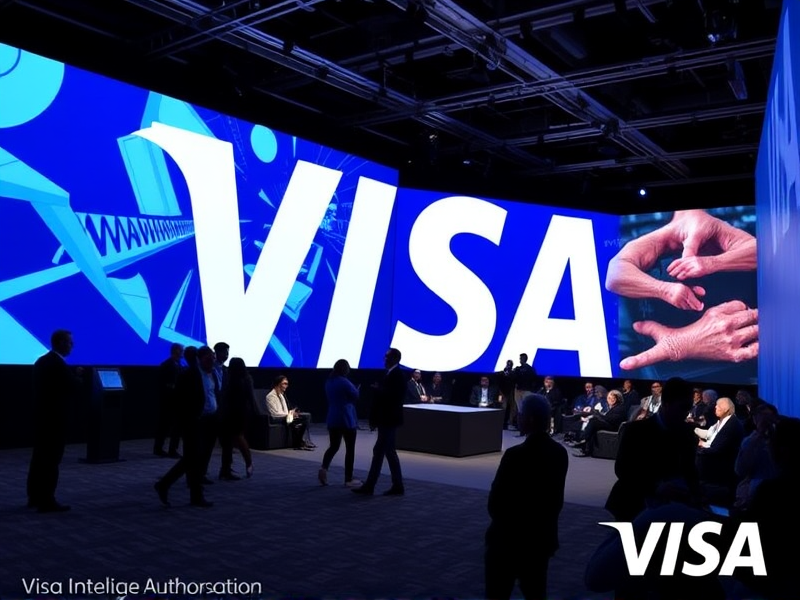
Visa has introduced Visa Intelligent Authorisation (VIA) in Europe, collaborating with Comercia Global Payments, Elavon, Fiserv, UNICRE, and Worldline.
This solution is based on the Visa Acceptance Platform and addresses an enduring challenge within payments—legacy authorisation systems that were not designed for today’s high volume and complex digital commerce. In real-time, VIA routes authorisation requests through card networks to issuing banks, a critical process that needs to be completed swiftly. Older infrastructure can sometimes falter, leading to issues such as false declines, increased operational costs, and diminished capacity for new product development.
VIA operates either independently or as an additional layer on top of an acquirer’s existing system. It handles transactions across major card networks via a single integration, with 99.999% uptime reported and a global average approval rate of 96.3%.
A machine learning engine evaluates transaction data in real-time to guide routing decisions, using network rules, industry programs, and regional regulations as references. The platform offers near real-time insights into authorisation outcomes, instant risk alerts, and a central analytics dashboard to aid in settlement oversight and regulatory compliance.
Background
The increasing variety of transactions flowing through acquisition infrastructure is another backdrop for VIA’s launch. Digital wallets, stablecoins, and new commerce models like agentic commerce are contributing to heightened transaction volume and complexity at the authorisation stage.
Research from Visa suggests that mobile payments already constitute 59% of e-commerce transactions in Europe, with this proportion expected to rise to 75% by 2030. For acquirers catering to multiple channels and geographies, the ability to manage processing through a single modern interface is becoming crucial for both operational resilience and commercial competitiveness.
UNICRE highlighted international expansion as a motivating factor behind its involvement with VIA. Worldline mentioned that integration aims to enhance merchant acceptance of new business types such as e-commerce sellers, subscription services, and digital marketplaces. Fiserv emphasized the potential of VIA to reduce transaction friction and improve approval performance for their merchant and bank partners. The platform’s compliance features are particularly notable in Europe due to ongoing regulatory requirements around data management, reporting, and transaction monitoring.