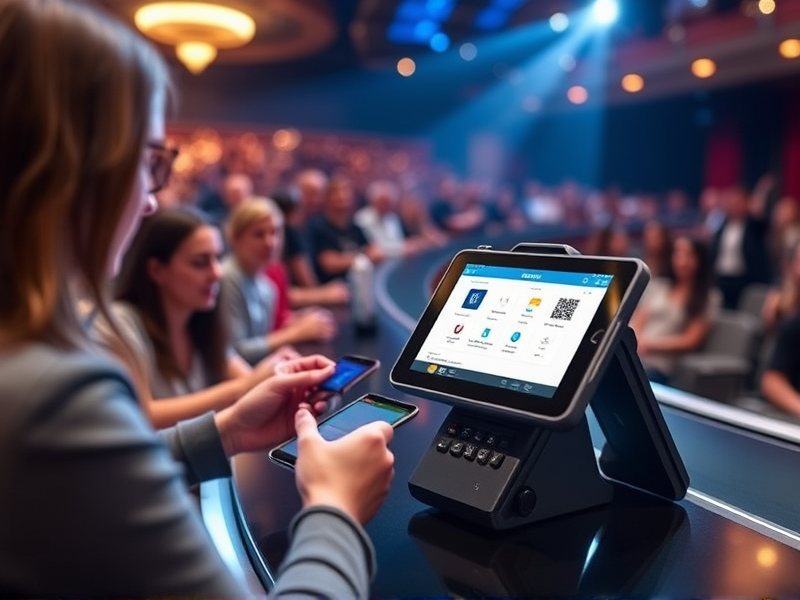


Razorpay and superU AI have teamed up to introduce a real-time agentic payment system, allowing transactions to be initiated by an AI agent through voice commands.
The collaboration aims to deploy this cutting-edge technology in scenarios where users can complete payments without manual intervention. By leveraging superU AI’s advanced conversational intent-qualification capabilities alongside Razorpay’s robust payment infrastructure, the new system streamlines the transaction process.
Process Overview
In a recent demonstration of the technology, an AI agent recognized when a user was ready to make a purchase and seamlessly generated a payment link through Razorpay’s systems. This automated approach eliminates the need for users to navigate multiple steps in the checkout process, thus enhancing efficiency.
According to official statements from both companies, the system operates by understanding the context of voice interactions rather than relying solely on predefined keywords. It identifies key moments to initiate payments, and once the conditions are met, Razorpay facilitates the transaction closure.
Industry Relevance
The deployment of this technology in India is particularly significant due to its high voice search activity. With over one billion monthly voice searches in the country, it underscores the increasing use of voice interfaces as a primary means of accessing digital services. This aligns well with the existing real-time payment infrastructure, such as UPI, which supports broader implementation.
The business applications are wide-ranging, covering both B2B and consumer sectors. In B2B settings, AI agents could qualify leads, engage in conversations, and complete payments autonomously. Similarly, consumers can utilize voice interfaces to handle routine transactions like booking services or making utility bill payments without manual intervention.
Evolution of Payments Infrastructure
This partnership represents a significant shift for payment service providers, positioning them as integrated components within AI-driven commerce ecosystems rather than mere back-end processing tools.