
India-based payments company Razorpay is preparing to submit a confidential application for an initial public offering (IPO) with India’s market regulator, likely within the next few weeks. The firm aims to raise between USD 600 million and USD 700 million.
Razorpay seeks to attain a valuation in the range of USD 5 billion to USD 6 billion, which is below its peak valuation of USD 7.5 billion achieved more than four years ago.
The company’s recent move to domicile in India in May 2025, reported at a cost of approximately USD 150 million, has been part of several preparatory steps towards the public listing. It also received board approval for converting its corporate structure into that of a public limited company.
Financial Performance and Market Context
For the fiscal year ending March 2025, Razorpay reported revenue of INR 37.8 billion, or around USD 407 million, with a net loss of INR 12.1 billion, equivalent to about USD 130 million. This lower valuation reflects investor caution in the Indian public markets towards loss-making technology firms and slower growth in digital payments compared to previous years.
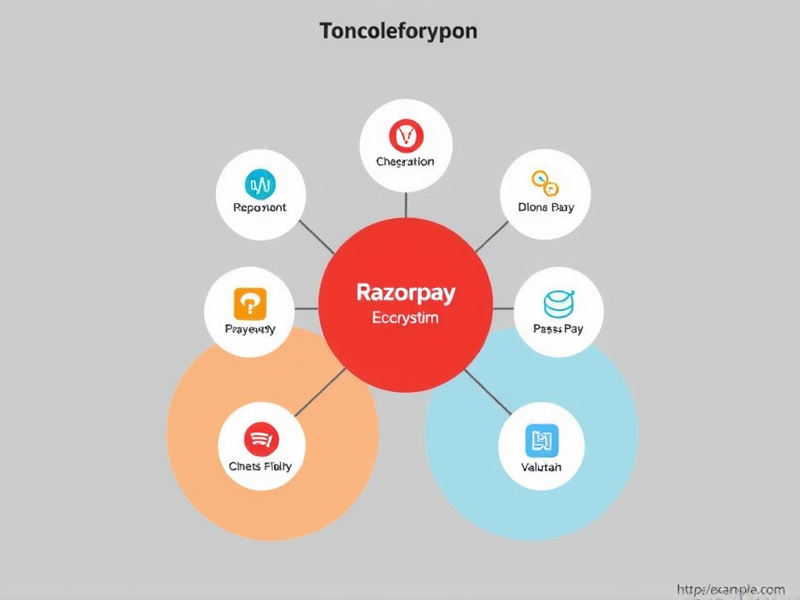
Razorpay, one of India’s largest payment gateways and financial services providers for businesses, offers a range of products including payment processing, banking, payroll, and lending. Its IPO plans underscore the interest in fintech listings in India amidst valuation resets seen among high-profile technology companies since 2021.
In early April 2026, Razorpay integrated its payments infrastructure into OpenAI’s Codex coding platform and launched a ChatGPT app for payment management. The app within ChatGPT will enable businesses to manage their payment operations through conversational prompts.
Before this, the company introduced a biometric passkey-based card authentication solution in India, developed with Mastercard and Visa. This new solution replaced one-time passwords (OTPs) with device-bound biometric verification, allowing cardholders to authenticate payments without needing manual input steps.