
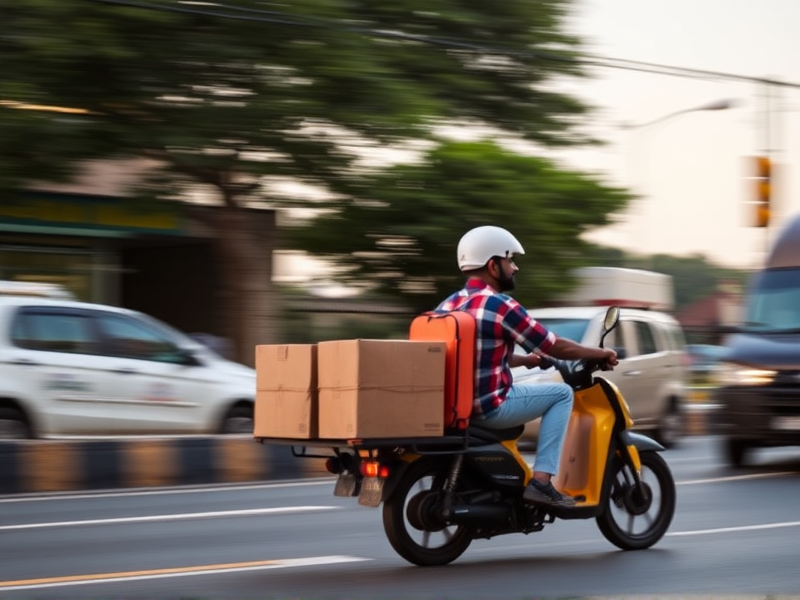
Porter and Incognia have teamed up to tackle multi-account order abuse on India’s goods transport platform through device intelligence technology.
Abuse involves driver-partners cloning the Porter app onto a single device to manage multiple accounts simultaneously, accepting parallel orders from one mobile. This practice enabled certain users to capture an unfair share of available orders, restricting access for other drivers and creating operational inefficiencies across the network.
Operational and sustainable impacts
Beyond impacting driver-partner equity, this fraudulent behavior had tangible effects on service reliability and environmental sustainability. Overlapping orders resulted in delayed pickups, increased customer wait times, and unnecessary vehicle trips. Porter has highlighted that the heightened fuel consumption clashed with its green commitments.
Incognia’s solution identifies fraudulent activities at the device level rather than through account signals, enabling intervention without compromising legitimate user functions. Login processes, earnings access, and support features remain unaffected for non-abusive participants.
Device intelligence in logistics fraud prevention
This partnership exemplifies a broader trend in platform-based logistics where operators are increasingly relying on identity verification and device intelligence tools to maintain ecosystem integrity. India’s demand logistics industry has seen rapid growth, making it more susceptible to abuse patterns that erode trust among platforms, workers, and end customers.
A Porter official noted that deploying device intelligence aims to foster greater trust across the platform while ensuring fair participation and reliable service delivery.
Incognia operates globally and focuses on passive device identity verification, recognizing devices through behavioral and location signals without needing user input. The company markets its tech as applicable to fraud scenarios in mobility, financial services, and other platform-based models.
For Porter, the outcome is a more equitable order distribution system. Drivers who were previously at a disadvantage due to multi-account operators now have fair access to available work, benefiting customers with improved service predictability and fewer disruptions.