
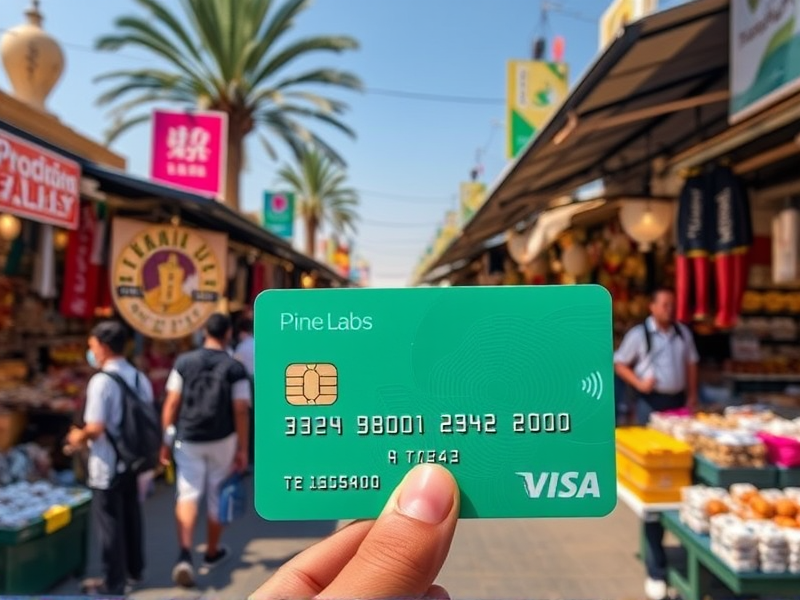
India-based fintech company Pine Labs has announced plans to introduce a stablecoin-backed prepaid card in nine countries across West Asia, Africa, and Southeast Asia by the end of April 2026.
Details regarding the specific markets involved have not been disclosed. The company will focus on regions with favorable regulatory conditions for stablecoins.
Pine Labs intends to fund the prepaid card using stablecoins from consumers’ digital wallets and allow transactions in local currencies via real-time conversion at the point of sale.
Regulatory landscape and market positioning
This move aligns with a strategic regional approach influenced by regulatory factors. While India does not ban stablecoins, the Reserve Bank of India has warned about potential risks to monetary policy management and illicit payment facilitation. Major Indian payments companies like PhonePe and Paytm do not offer stablecoin-backed payment products.
Meanwhile, China recently prohibited unauthorised offshore issuance of yuan-pegged stablecoins and is intensifying controls over virtual currencies generally.
Pine Labs’ initiative marks the first stablecoin-backed prepaid card launched by a publicly traded Indian firm. Backers include Temasek and Peak XV.
Company Performance and Strategic Direction
Operating payment solutions, including point-of-sale terminals for merchants in approximately 20 countries, Pine Labs’ overseas business contributes about 17% to its revenue. Gross revenues increased by 24% year-on-year to USD 81.4 million during the December quarter. Since their debut trading in November 2025, Pine Labs’ shares have fallen by around 28%, amidst heightened competition in the digital payments sector.
CEO Amrish Rau has highlighted AI-based payments, cross-border expansion, and stablecoin development as key priorities for Pine Labs. He noted that global stablecoins now exceed USD 310 billion in market value, driven by US dollar-pegged tokens such as Tether and USDC.