Ondato has published a report examining the growth of age verification laws in US states and the compliance hurdles faced by digital platforms offering age-restricted services.
In light of this, the UK-based identity verification firm released ‘The Surge of the US Age Verification Laws: 2026 Outlook’, which charts legislative developments from 2023 to 2025 and forecasts enforcement trends for 2026. The report covers regulatory issues affecting adult content platforms, social media networks, online commerce operators, and other services with age-based access restrictions.
Compliance Complexity Due to Fragmented State-Level Requirements
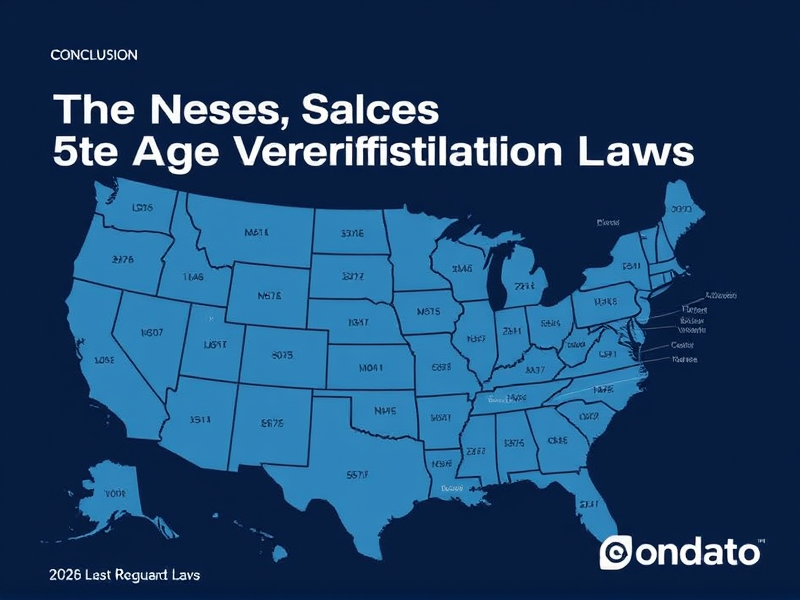
As per the official press release, US states have implemented age verification laws at different paces, resulting in a diverse regulatory landscape. The report features a state-by-state overview of enacted, pending, and unsuccessful legislation, highlighting specific compliance duties and legal frameworks.
The analysis considers how First Amendment interpretations and recent Supreme Court rulings impact the regulatory environment, as well as ongoing court cases questioning the constitutionality and breadth of age verification laws. States have taken varied approaches to enforcement, technological standards, and liability structures, necessitating platforms to manage obligations across numerous jurisdictions.
Implementation Challenges and Technology Options
The report identifies operational issues such as user avoidance techniques, interoperability among verification systems, compliance expenses for smaller entities, and data minimization demands under privacy laws. It compares existing age verification technologies like document validation, database searches, biometric age estimation, mobile driver’s licenses, and privacy-focused solutions designed to reduce data collection and retention.
Age verification rules have extended beyond adult content sites to include social networks, online gaming, e-commerce and delivery services, gambling operators, and other restricted digital services. This wider scope demands organizations to formulate compliance strategies that address various state mandates and diverse technical specifications.
The report offers guidance for compliance, legal, and product teams navigating the regulatory landscape through 2026, including likely enforcement trajectories and increasing expectations regarding user protection, privacy safeguards, and technological implementation standards.