Zambia-based digital bank Lupiya has recently secured USD 11.25 million in a Series A funding round, aiming to enhance its presence in Southern and East Africa.
Following this significant achievement, the company Lupiya, which is based in Zambia, has announced that it has received USD 11.25 million in a Series A financing round, led by IDF Capital’s Alitheia IDF Fund, with contributions from INOKS Capital and KfW DEG, a development finance institution based in Germany. The raised capital will be utilized to expand Lupiya’s service offerings, bolster its technological infrastructure, and extend its operations beyond Zambia into Southern and East African regions.
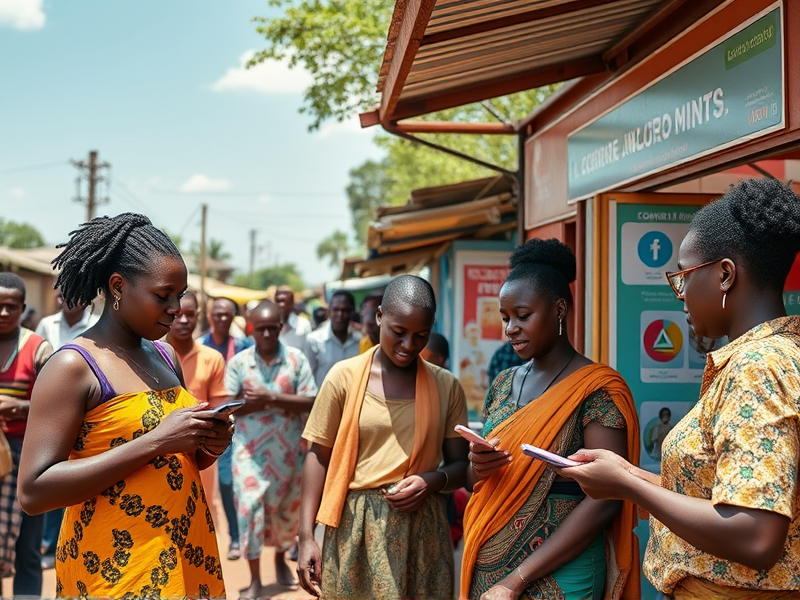
Founded in 2016, Lupiya specializes in serving unbanked and underbanked individuals in Zambia. Its platform integrates digital payment services through Lupiya Pay with a range of lending products. The company is actively developing Embedded Finance partnerships to further its mission. A spokesperson stated that the fundraising process spanned nearly two years due to the structural challenges faced by African fintech businesses when seeking institutional funding.
Investment Details and Financial Background
Prior to this Series A round, Lupiya secured capital through various means including grants, convertible notes, debt, equity, and non-dilutive financing. Notable early backers include Enygma Ventures, which invested USD 1 million during the pandemic period. Additionally, support was received from Mastercard’s financial inclusion programs, which also provided access to payment channels for digital transactions. Other institutional supporters such as Google, the World Bank, and the UN’s International Trade Centre were involved, though their level of contribution—financial or technical—is unspecified.
IDF Capital, through its Alitheia IDF Fund, which spearheaded this Series A round, is a private equity fund committed to gender-lens investing across Africa. According to an IDF Capital representative, Lupiya’s focus on financial and gender inclusion aligns with the fund’s investment strategy.
Market Landscape and Expansion Plans
Despite progress in financial inclusion, Zambia still lags behind regional averages. As per World Bank data from 2021, approximately 45% of Zambian adults had bank accounts, with notable differences based on gender and urban versus rural areas. Digital lenders have stepped into the void created by limited traditional banking infrastructure, though they continue to grapple with operational costs in less densely populated markets, regulatory ambiguities, and currency fluctuations.
Lupiya has not yet disclosed which specific regions it plans to enter as part of its expansion nor provided details on the size of its current loan portfolio, customer base, or financial performance. In addition to this Series A, the company has initiated a funding round for 2026 with the objective of scaling its lending operations, strengthening Embedded Finance capabilities, and expanding Lupiya Pay’s reach into new territories.