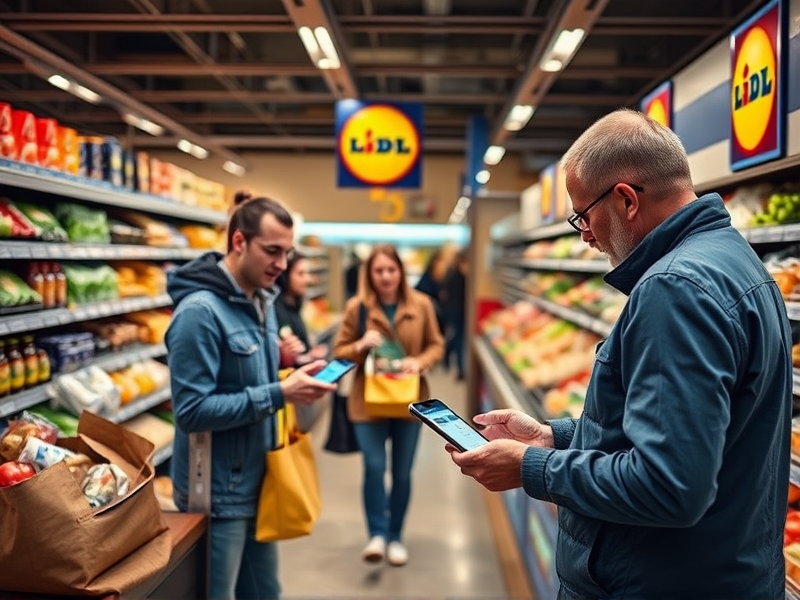
Lidl has introduced SEPA bank transfer payments for customers in Germany via its Lidl Plus mobile application, sidestepping card network infrastructure.
This initiative enables shoppers to finalize their purchases through direct bank transfers under the Single Euro Payments Area (SEPA) framework. Customers start by initiating a payment from within their banking app, with funds transferring directly between accounts without any involvement from card networks.
SEPA Instant Credit Transfers have become a mandatory requirement for eurozone banks since 2024 and process transactions almost instantaneously on a continuous basis. This regulation ensures that direct bank transfers can operate as fast and reliable payment methods, similar to card transactions.
Initiatives toward payment sovereignty reduce network dependency
Lidl’s approach aligns with the European Union’s broader strategy of reducing reliance on US-based payment systems. EU policymakers advocate for payment sovereignty and are fostering regional alternatives to international card networks, driven by economic and data governance concerns.
By employing direct transfer methods, Lidl eliminates card network interchange fees, which usually represent a percentage of the transaction value charged to merchants. This approach also avoids tokenisation processes and foreign payment processor involvement in transactions.
European retailers are increasingly adopting local payment channels, including direct bank transfers and mobile wallets like Wero from the European Payments Initiative (EPI). The EPI group consists of European banks working on pan-European payment solutions as alternatives to Visa and Mastercard infrastructure.
Supporting retail transactions through SEPA infrastructure
SEPA functions as the standard payment framework for euro transfers across Europe. It unifies bank transfer, direct debit, and instant payment systems throughout participating countries.
The SEPA Instant Credit Transfer regulation, which fully implemented in phases from 2024 onwards, mandates that all payment service providers offer real-time euro transfers. This ensures the availability of instantaneous settlement infrastructure across the eurozone.
Direct bank transfers benefit from immediate settlement via instant payment systems while avoiding associated fees. However, customers need to use mobile banking apps and complete authentication steps during checkout.
As mobile banking usage grows, consumer adoption of account-based payments has increased. The familiarity with digital wallets and direct bank transfers at retail locations supports the acceptance of alternative payment methods.
Payment orchestration platforms and fintech infrastructure now facilitate multiple payment channels, enabling merchants to offer a variety of payment options based on cost efficiency and customer preferences.