
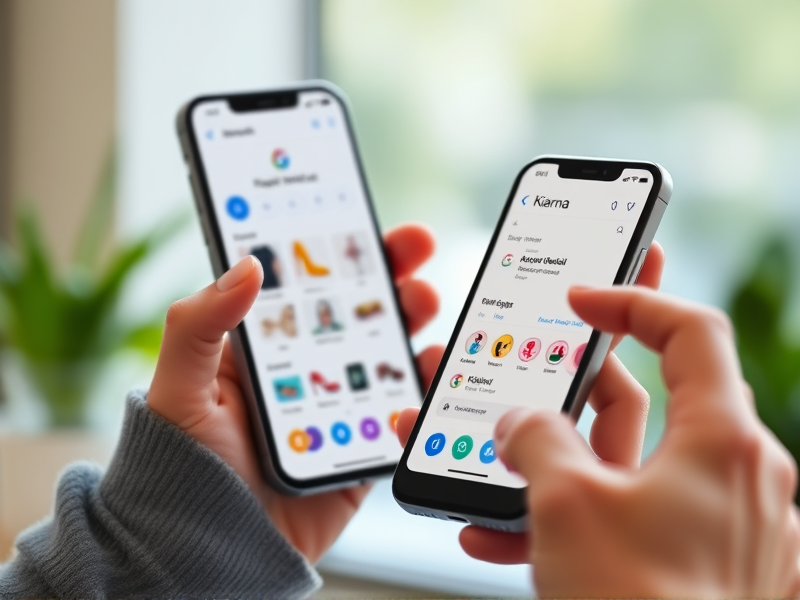
Klarna has become a part of Google’s Universal Commerce Protocol (UCP), an open standard meant to facilitate interactions between AI agents and commerce systems throughout the entire shopping journey.
Based in Sweden, Klarna—a digital bank and payments provider—recently announced this move, which follows its previous endorsement of Google’s Agent Payments Protocol.
The Universal Commerce Protocol establishes a structured framework enabling AI platforms, merchant systems, and payment providers to collaborate seamlessly from product discovery all the way to post-purchase support. Its goal is to allow consumers to finalize purchases within AI conversations while ensuring that these interactions remain compatible across various AI environments.
Expanded Partnership with Google
This development builds on Klarna’s existing relationship with Google, which includes partnerships in areas such as Google Pay, Google Store, Google Play, and Google Cloud infrastructure. By supporting both the Universal Commerce Protocol and Agent Payments Protocol, Klarna is positioning itself at the forefront of AI-driven commerce technology.
Data from Klarna indicates that it processes around 3.4 million transactions daily for over 114 million active users worldwide. The company’s technological offerings include real-time payment decision-making and flexible payment options during checkout, utilized by more than 850,000 retailers such as Uber, H&M, Saks, Sephora, Macy’s, and Airbnb.
The Universal Commerce Protocol is being created to serve as an industry-wide standard supporting AI-driven commerce. Such open standards aim to establish interoperable frameworks for discovery, shopping, and payment processes in AI-powered environments.
Commenting on this strategic move, Ashish Gupta, VP/GM, Merchant Shopping at Google, highlighted that Klarna’s support of UCP illustrates the necessity of cross-industry collaboration to create scalable commerce experiences while prioritizing security.
Klarna’s listing on the New York Stock Exchange under ticker KLAR places it in a key position within the infrastructure supporting the transition towards AI-mediated commerce transactions.