
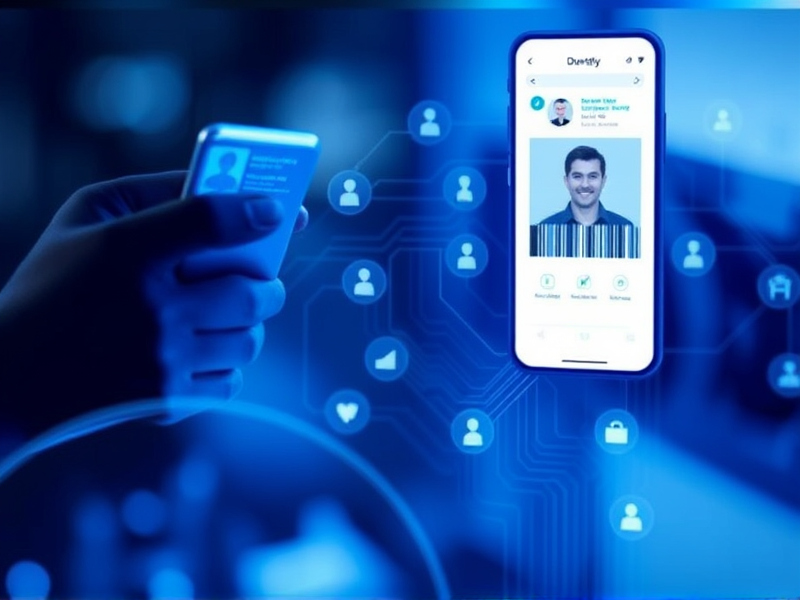
iDenfy, a U.S.-based global identity verification and fraud prevention provider, has launched an electronic identity verification (eIDV) flow to offer an alternative to traditional physical document checks during the Know Your Customer (KYC) onboarding process.
The new feature enables users to verify their identities via electronic banking identity systems such as Swedish BankID, UK OneID, USA OneID, Smart-ID, and other non-document verification methods that support over 60 types of digital identities. This approach addresses the issue of user drop-off due to a lack of physical ID cards or passports during onboarding.
Impact on User Experience and Future Enhancements
By automating the selection process, the eIDV flow eliminates the need for users to manually choose their document type, country of origin, or enter ID numbers. The system automatically detects the user’s location using IP data signals, streamlining the verification process. Users can seamlessly switch between electronic and physical verification methods within a single session without restarting the procedure or going through extra security steps.
iDenfy is working on an additional feature that will suggest switching to eIDV if a document-based attempt fails due to image quality or lighting issues. This could further decrease drop-off rates by approximately 30%.
The company notes that this eIDV capability is now available to all iDenfy customers at no extra cost and can be enabled through the platform’s dashboard without requiring any additional integration work. The launch is in line with the EU’s eIDAS 2.0 regulation, which aims to accelerate the adoption of digital identity wallets across European Union member states.
Commenting on the development, Domantas Ciulde, CEO of iDenfy, stated that locally trusted digital identity methods offer a more streamlined onboarding experience without the added complexity of traditional physical documents. Adomas Vitkauskas, CFO of iDenfy, highlighted that many users were abandoning their verification process not because they mistrusted the system but simply due to the lack of nearby documentation, making the ability to switch within sessions logical and beneficial.