Ecommpay and BridgerPay have broadened their partnership to offer merchants in the UK, EU, and South East Asia a wide range of payment solutions, encompassing card acquiring, alternative payment methods (APMs), and mass payout capabilities. This collaboration, which has been ongoing for over six years, leverages BridgerPay’s AI-driven payment orchestration platform, enabling merchants to connect with Ecommpay’s payment gateway through a single integration.
Customized payment methods in key markets
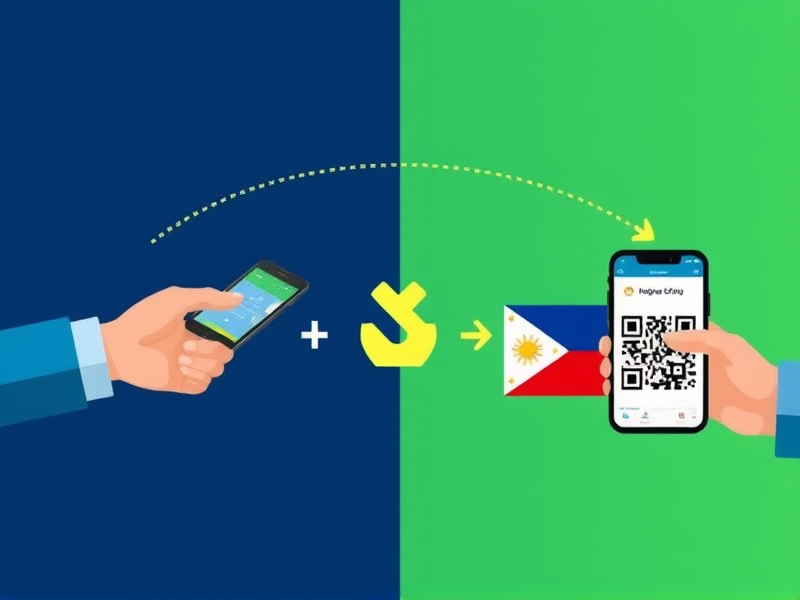
The partnership is geared towards addressing the operational challenges faced by businesses when entering markets with unique payment preferences. Through BridgerPay, Ecommpay’s gateway becomes accessible to ecommerce merchants needing both global card processing and region-specific payment options. For South East Asia, this includes Malaysian Online Banking, which facilitates transactions in Malaysian ringgits via local bank accounts, supporting both purchases and payouts. Additional APMs covered are Touch ‘n Go, widely used within Malaysia’s public transport and digital commerce systems; GrabPay, a prevalent e-wallet service in Malaysia; Boost Wallet, integrating DuitNow QR for international customer payments; and Shopee Malaysia, an online retail platform active across several countries including Singapore, Thailand, Indonesia, Vietnam, the Philippines, and Taiwan. In the Philippines, QRPh (the national QR code standard) enables swift and secure payments and transfers between e-wallets and banks. Meanwhile, in Thailand, PromptPay allows for fund transfers using a citizen ID, mobile number, or bank account details via digital channels.
According to an official from BridgerPay, the integration framework is intended to help merchants offer localized payment choices without managing multiple payment providers independently.
Unified integration for various jurisdictions
Ecommpay’s gateway architecture unites direct card acquiring with APM support, fraud prevention features, and mass payout functionality under a single integration. Consequently, BridgerPay’s merchant clients can both accept payments from and make payouts to customers in supported regions without setting up distinct infrastructure for each market. An official from Ecommpay stated that the partnership underscores their belief in treating payments as a strategic function rather than an operational cost for international businesses.
This arrangement exemplifies a broader trend in payment orchestration, where merchants aim to gain consolidated access to diverse payment channels through a single technical layer, thereby reducing integration complexity while maintaining local relevance across geographies.