European airlines have faced a loss of USD 77.7 million over the past year, despite a decline in overall fraud rates by 2.9%, according to Visa’s latest report.
Despite this reduction in fraud incidence, the losses are increasing because of more complex cross-border operations. Nearly all regional fraud (99%) now occurs through e-commerce channels with international transactions accounting for about 65% of total fraud-related costs.
Fraudsters utilize various methods such as triangulation—where fake travel websites are set up to offer discounted deals—and synthetic identity fraud, which involves creating accounts using a blend of real and fabricated information to exploit BNPL services.
International Transactions Concentrate Fraud Risks
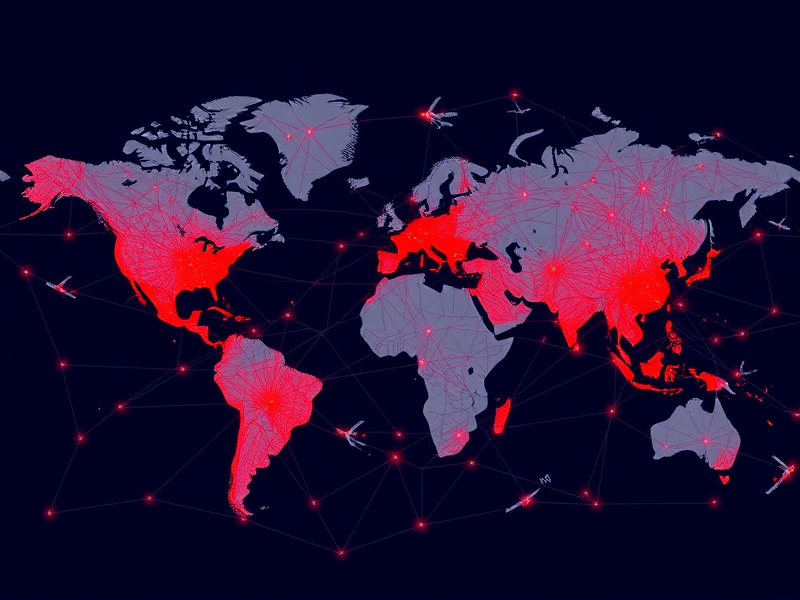
The Americas account for 64% of the total fraud share, with Asia contributing only 8%, and Central Europe, Middle East, and Africa representing just 4%. Inter-regional transactions make up 75% of cross-border fraud instances, with a fraud rate of 15.1 basis points.
Corina Constantin, who works in Visa’s Europe Tech and Risk Advisory division, highlighted that every booking and journey hinge on secure payments and proactive risk management. Advanced analytics, real-time fraud detection, and AI-driven risk intelligence are crucial for airlines to stay ahead of fraudsters while safeguarding their revenues and customer experiences.
Balancing Security and Customer Experience in Fraud Prevention
The whitepaper emphasizes that airlines need to redefine their anti-fraud strategies, focusing on revenue protection without compromising the passenger experience at both intra- and inter-regional levels. Airline operations should maintain a balance between speed and security measures without adding unnecessary hassle for travelers.
Technological solutions such as account takeover prevention, tokenization, and real-time risk scoring can help reduce fraud risks while ensuring a smooth customer journey during the booking process.
Triangulation fraud occurs when criminals position themselves as intermediaries, setting up fake travel websites that offer below-market prices. Fraudsters use stolen payment credentials to purchase tickets at full price and resell them for discounted rates to unsuspecting customers.
Synthetic identity fraud involves combining real and fabricated information to create fraudulent accounts, allowing fraudsters to exploit credit facilities, including BNPL products, before abandoning these accounts.
Tokenization in networks replaces payment credentials with tokens for recurring or card-on-file transactions, mitigating the risks from data breaches by limiting the impact of compromised data.
Fraud rates measured in basis points represent the fraction of transaction value lost to fraud; 15.1 basis points is equivalent to 0.151% of the transaction’s total worth.