
Implementing Secure Real-Time Payments
The open banking model is fundamentally supported by secure real-time payments, which allow users to directly pay from their bank accounts for various use cases. These transactions are primarily facilitated through APIs provided by third-party fintech companies.
EBay Taps into TrueLayer’s Pay-by-Bank Network
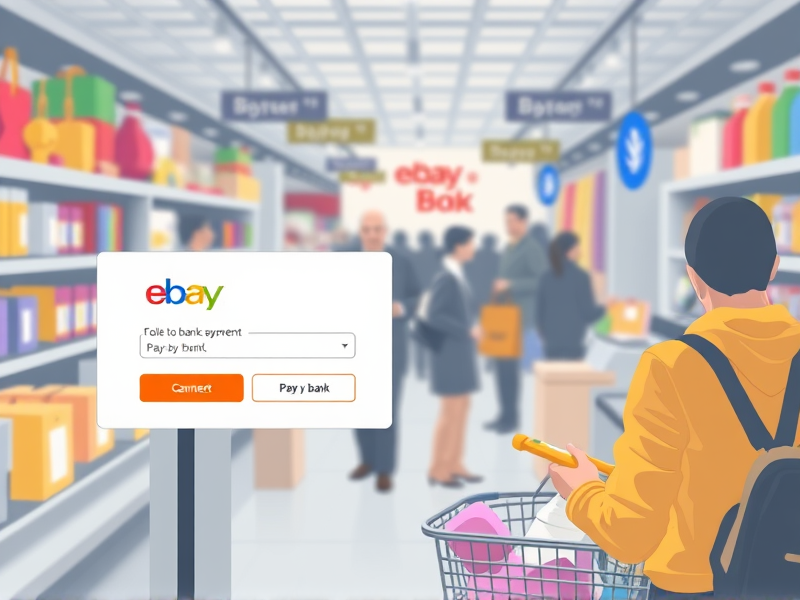
Ebay is now set to implement pay-by-bank in the UK, leveraging TrueLayer’s extensive network. Through its venture capital arm, eBay has also made a significant investment in TrueLayer, reflecting confidence not only in the fintech but also in the broader open banking model.
Long-Term Implications
Don Apgar, Director of Merchant Payments at Javelin Strategy & Research, stated that this development is interesting to monitor. The true validation will come from the number of eBay shoppers who choose pay-by-bank over traditional card payments.
Real-Time Payments vs Card Payments
Many businesses have turned to real-time payments due to their lower costs compared to credit cards and the associated interchange fees. However, credit cards offer certain benefits that justify their expense.
Verification and Dispute Process
Apgar noted that card payments have evolved over 50 years, providing a two-step process for sellers to verify and claim good funds immediately at the time of purchase. This is combined with a well-defined chargeback and dispute process, which real-time payments currently lack.
Challenges and Prospects
The advantages of lower fees and real-time settlement still face challenges in achieving wider adoption in the UK. Apgar suggested that sellers might offer incentives to encourage consumers to use pay-by-bank, but it remains uncertain if e-commerce marketplace sales will significantly shift toward this method.