
A Profitable Cohort
As more consumers turn to apps and online stores for their purchases, trust remains a critical issue. Many users worldwide have scaled back or modified their use of payment platforms due to security worries.
The primary concern is account hacking, identified as the top barrier to trust according to a Chubb survey on digital payments habits. This is closely followed by fears of data breaches.
These concerns are well-founded. Last year, consumers reported losing $1.86 billion in scams involving bank transfers and payments. Nearly two-thirds of those surveyed by Chubb stated they had either been victims of fraud or knew someone who had experienced it.
While users generally trust digital payment technologies, nearly one-third still lack confidence in the security measures these platforms offer. Consumers also shared concerns about customer support and confidentiality.
If users fall victim to a scam, many are unsure how to recover lost funds. Approximately 40% reported they would not know what steps to take if a payment fails.
The Chubb survey also revealed that three in five users concerned about cyber scams have altered their behavior or reduced usage of certain platforms. Interestingly, younger consumers are the most likely to modify their payment habits despite this. Nonetheless, 89% of this group said they used digital payment platforms in the past year.
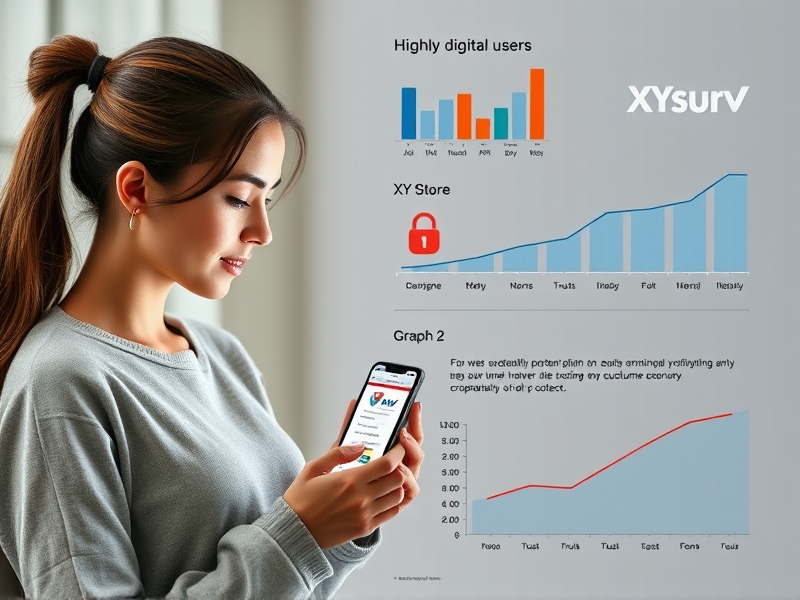
The takeaway is not just that many consumers avoid specific digital transaction platforms—it’s that those with high levels of digital engagement may be precisely the type of customers financial institutions should target.
Separate data from Fiserv found that higher digital engagement among customers correlated with other positive behaviors, making these customers more valuable to banks. Whitney Stewart Russell, President of Digital Solutions at Fiserv, told PaymentsJournal last year that “the consumers we consider highly digitally engaged were 29% more profitable than those who weren’t, which is a huge number. That same group had 48% higher balances.”