

Face Pay for BBQ
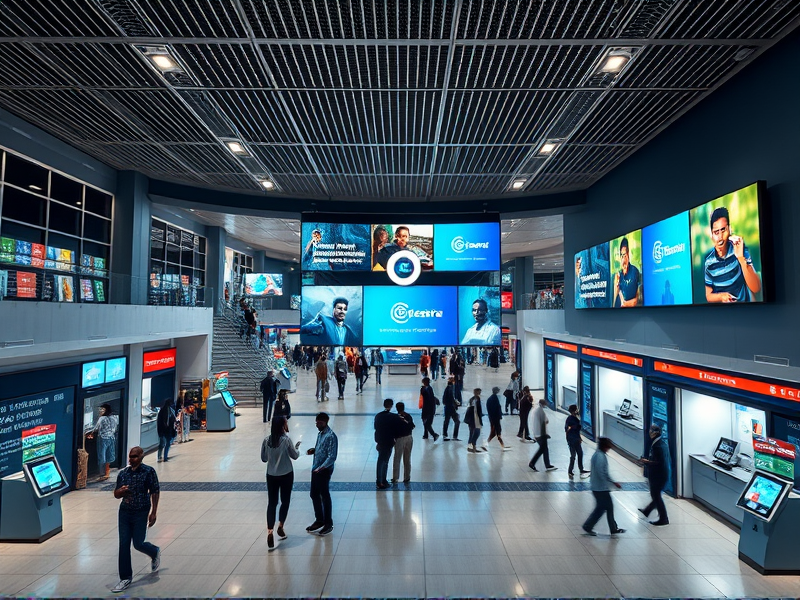
The advantages of biometric authentication in transactions are widely recognized, encompassing enhanced transaction security and minimized checkout friction. With consumers becoming familiar with fingerprint and facial recognition through their daily smartphone usage, many predict that the widespread integration of biometrics into retail payments is impending.Despite the foundational technology having existed for years and notable implementations like Amazon’s palm pay at its physical stores, significant strides remain ahead.“Last November, I released a scorecard on biometric authentication providers in retail transactions, revealing a minimal presence in this domain,” Miller stated. “However, several of these products planned to become available and suggested they had clients set to launch within the U.S. by 2026.”To date, adoption is largely confined to pilots and test scenarios within specific contexts. Examples include iris-scanning programs linked to exclusive Visa cards or facial recognition systems used for venue entry and concessions at New England Patriots’ Gillette Stadium.This year, more of these pilots are expected to move beyond experimentation into broader real-world deployments.“Some people will have a chance to experience this in the wild,” Miller noted. “Last year, I witnessed a face pay at a pilot in San Francisco, but realistically, that was just one BBQ shop in one stadium in one city. The point is that more people will start seeing it outside of very controlled environments.”“Although it won’t become commonplace or take over the world, there will be people who do this, and that’s progress,” he said.
The Chicken and the Egg
Like biometrics, digital ID cards offer evident security benefits and can streamline processes such as age verification. Yet, their path to widespread adoption faces challenges similar to those of biometric technologies.“The rollout of digital IDs has been marked by uneven awareness and availability,” Miller remarked. “Some states have had this for nearly a decade, while others are still struggling.”“Much like the chicken and egg dilemma,” he explained, “why should merchants invest in accepting digital IDs if no one possesses them? Conversely, why would individuals get such IDs if no merchants accept them?”With adoption increasing, merchants and financial institutions will gain confidence to further invest in acceptance technologies. As this infrastructure matures, additional use cases for digital IDs may emerge.For instance, financial institutions could integrate digital ID verification directly into customer onboarding procedures, enhancing the user experience over current manual methods where users submit pictures of their identification documents for review.“This trend will have mainstream visibility,” Miller predicted. “We’ll start to see who is interested in adopting it. It won’t be an immediate zero-to-60 transition with digital IDs; there’s likely to be pushback—interesting enough—more than biometrics.”“Because, like most biometric implementations, it’s optional,” he added. “If you don’t want to use it, you can opt out. Just as the TSA uses facial recognition, but if you prefer not to participate, that’s fine; we’ll do it another way. This is where digital IDs will grow and become more visible.”
The First Encounter
Many of the hurdles faced by biometric authentication and digital ID adoption also apply to agentic commerce, where AI agents handle a significant portion of consumer purchases. While leveraging these AI agents offers clear benefits, many consumers may resist granting them full transactional autonomy.Early deployments will likely consist of pilots and specific use cases, with pilot participants not necessarily representing the broader population. If you participate in a pilot, you’re already inclined to try new things, which means your reactions might be different from those of the general public.These factors—coupled with growing skepticism about AI’s accuracy—point towards a more deliberate rollout of agentic commerce than some anticipate.“Almost nothing was remotely in production by 2025,” Miller noted. “This sets up 2026 as the year many people will have their first exposure to agentic tech, from consumers using it to merchants accepting it and payment processes interacting with it.”“This is where the kinks will be worked out and problems will come to light,” he said. “This is a natural part of emerging tool development but will occur under bright scrutiny.”