Peru Adopts UPI-Based System
Next year, Peru plans to introduce a real-time digital payments system modeled after India’s Unified Payment Interface (UPI). Unlike Brazil’s Pix, Peru has decided not to base its system on this technology. This choice may be more influenced by India’s active promotion of its own payment solutions.
Partnership Between NIPL and BCRP
The new digital payments system in Peru is the result of a partnership announced in 2024 between India’s NPCI International Payments Limited (NIPL) and the Central Reserve Bank of Peru (BCRP). This collaboration builds on NIPL’s work with nations like France, Singapore, and the UAE to enable UPI-based payment systems. NIPL has also discussed potential partnerships with several South American and African countries.
Brazil Explores Pix International Opportunities
Meanwhile, Brazil’s Central Bank is looking to expand the reach of its Pix payment system. At the 2024 G20 summit, it highlighted efforts to integrate Pix with foreign platforms, with Italy showing interest in a bilateral agreement. Additionally, Wipay, a Spanish payment processor, opened Europe’s first Pix outlet at Barcelona-El Prat airport.
UPI as the Global Leader
UPI remains the global leader in instant payments and now handles almost half of the world’s digital transactions, largely due to its dominance through UPI. It has also partnered with major players like Google and PayPal.
Peru’s Economic Transformative Potential
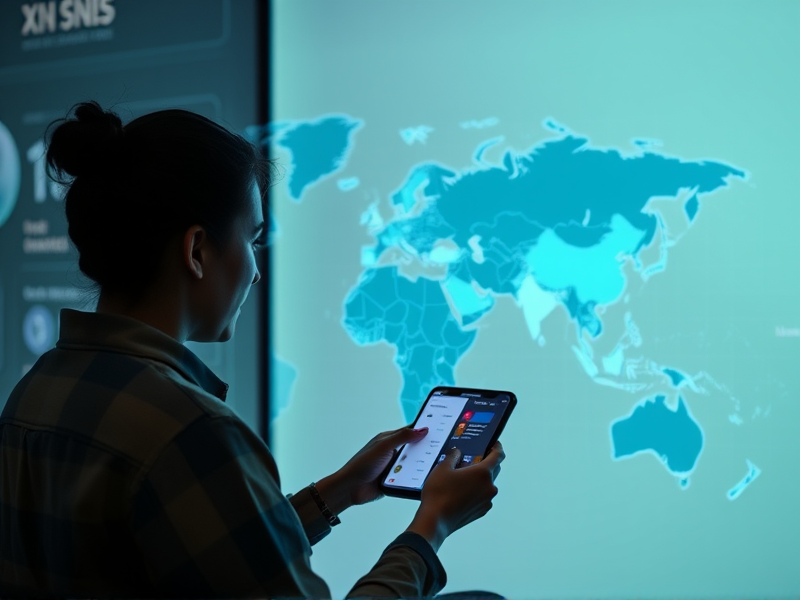
Peru sees the potential for broader economic transformation by adopting UPI, not just as a payment layer but also to bring more consumers into the digital payments mainstream. This includes expanding smartphone-based services and introducing related products like basic insurance.
Growth Opportunities in South America
South America is poised for significant growth in digital payments, as evidenced by data from 2024. According to Beyond Borders, seven out of ten Latin American adults have made or received digital payments, up from four in ten a decade ago.
Cash usage has declined, with Mastercard research across Central and South America showing that only 15% of respondents rely on cash for more than 75% of their monthly expenses, down from 25% pre-pandemic. Nearly all small businesses now accept at least one form of digital payment.