

Paying the Piper
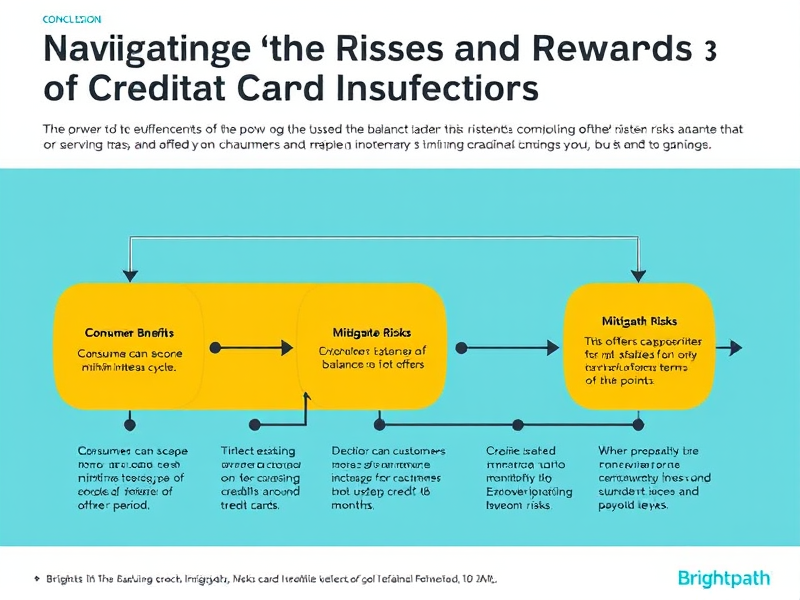
Even when balance transfers pose certain risks for consumers, their benefits can be significant if used effectively. The primary advantage is that they help borrowers escape from revolving debt cycles and secure a loan with minimal or zero interest over a fixed period. Although customers pay a fee for this service, the long-term savings often outweigh these costs.For issuers, one of the key advantages of offering credit card balance transfers is the immediate fee receipt, typically ranging from 3% to 5% of the balance transferred. Additionally, they provide an easy way to expand portfolios as borrowers have been pre-screened and carrying over a balance is generally less complex. This leads to improved portfolio metrics for financial institutions.Given that many consumers who use balance transfers are already revolving debt, banks can benefit from this information up front. Unlike other consumer groups, issuers understand they must closely monitor credit card balance transfer users due to their tendency toward ongoing indebtedness. Financial institutions need to be cautious with these products as high inflation and interest rates continue to affect consumers. If borrowers do not repay their balances within the specified timeframe, usually 12 to 20 months, they will face higher interest rates.
Timing and Selection
While balance transfers are not new, banks now have tools available to manage them effectively, thanks to providers like Fiserv and FIS. However, some institutions may be hesitant due to risk concerns. Nonetheless, these tools should be utilized as they enable issuers to implement controls that keep customers current and ensure the institution remains aware of any line increases.Issuers must monitor for signs of default and take proactive steps to prevent bearing the full risk. Offering balance transfers selectively based on customer demographics where there are existing balances at other institutions is critical. Seasonal factors also play a role; summer or winter holidays might be more opportune times for offers compared to September, when many borrowers may be preoccupied with school returns.Selecting the right customers and timing these offers properly enhances their effectiveness as a retention tool. This aligns with the goal of covering attrition rates that could reach 7% to 10%, ensuring growth through customer retention.
The Retention Potential
Aggressive terms in balance transfer offerings can exist, but issuers should adopt a more measured approach given the associated risks. A term out to 2027 might be excessive; instead, 16 months is often optimal.This retention potential, combined with immediate fee realization and portfolio enhancement, presents significant opportunities for financial institutions. Properly managed credit card balance transfers can thus serve as a valuable tool in customer engagement strategies.