Handwave Funding and Strategy
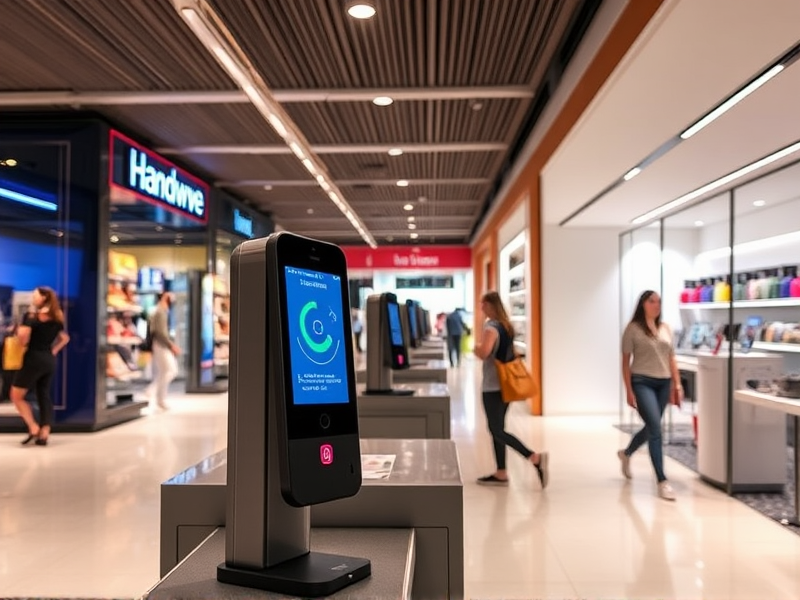
Handwave has secured $4.2 million in funding to introduce its biometric technology into retail environments. The startup’s contactless system allows shoppers to use their palms, rather than phones or wallets, for various transactions such as payment verification, identity authentication, and loyalty point collection.
Eliminating Checkout Friction
The company is betting that its palm-scanning technology can reduce checkout friction. Handwave’s approach contrasts with other companies like JPMorgan in the U.S., which use facial recognition, and Facepay in South Korea.
Biometric Payment Landscape
The biometric authentication landscape remains fragmented, despite a noticeable surge in payment technology over the past 18 months. While Amazon One is the most prominent implementation with its presence in over 500 Whole Foods stores and other locations, Handwave aims to follow this lead.
Growing Acceptance of Palm Scanning
Initially not seen as a leading biometric technology due to consumers’ familiarity with fingerprint and facial recognition on mobile devices, palm scans are gaining traction. Accurate and touch-free, they have found use beyond Amazon’s ecosystem in initiatives by companies such as China’s Tencent and Poland’s Autopay.
Challenges and Solutions
Despite increasing interest, biometric payment systems face challenges such as high installation costs and the need for consumer trust. Handwave is addressing these by promoting lower transaction fees through a pay-by-bank enrollment model.
This model incentivizes merchants to adopt the technology with reduced cost incentives, while also reducing the initial barrier for consumers who prefer contactless methods of payment.
Retail Pilots and Competitions
Handwave is preparing for market pilots that will deploy palm-scanning devices in retail stores. With three years of development, the company aims to gain traction amidst a competitive landscape that includes other biometric formats like facial recognition.
The road ahead involves overcoming obstacles such as consumer buy-in and the fragmented nature of biometric technology adoption. Handwave’s strategy is part of a broader effort to make palm scanning a more accepted form of payment in physical retail environments.